Utah Family Travel Guide:
The Soft Adventurer's Complete Playbook
To kick off our 50-state series, we’re going to look at what is arguably the single best place for adventure travel that the US has to offer. With 5 national parks, countless state parks, an eclectic food scene, and a variety of activities year round, Utah is an excellent choice for your next family vacation.
My family has gone during the winter several times, but each time we’ve been, we always think how much fun it would be to come back in the summer. Utah is definitely on our short list for a warm-weather trip.
Full disclosure: My parents took my sisters and me to Utah when I was teenager. We visited Bryce Canyon and Zion National Parks and hiked for a couple of weeks. I will admit that back then, I had a complete inability to appreciate where we were and did my fair share of complaining. Even in the 90’s, before the constant allure of technology, kids pushed back about spending so much time in the great outdoors. But thankfully, my parents didn’t listen. They introduced me to new places, unique environments and challenging activities because they knew it was good for me. And because they only have one life to live too, and they refused to sacrifice their own enjoyment for my teenage whims. In the end, this trip proved to be a memorable family experience, deepening my love for adventure and teaching me that I can do hard things.
So mom and dad, if you’re reading, I’m sorry for all of my whining when we went to Utah in 1998. If it’s any consolation, I secretly loved it and now want to take my own family.
With that being said, if you’re like me and have Utah on your upcoming-trip-list, here’s what you need to know- the parks, the trails, the places to eat, the hidden gems the crowds miss, and local dives that work real families and real schedules.
Let’s dive in!
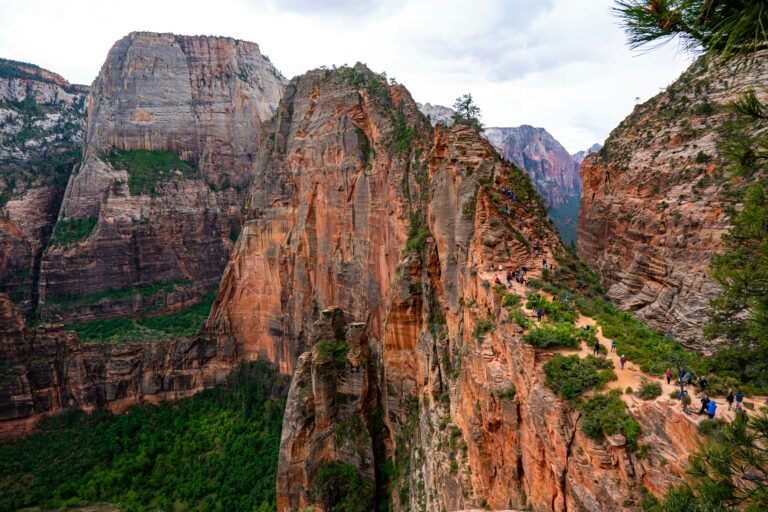
Utah is home to more national parks than any other state in the Lower 48. The Mighty 5 — Zion, Bryce Canyon, Arches, Canyonlands, and Capitol Reef — can all be visited on a single road trip. No other state makes that possible.
The Mighty 5: Utah’s National Parks
Zion National Park
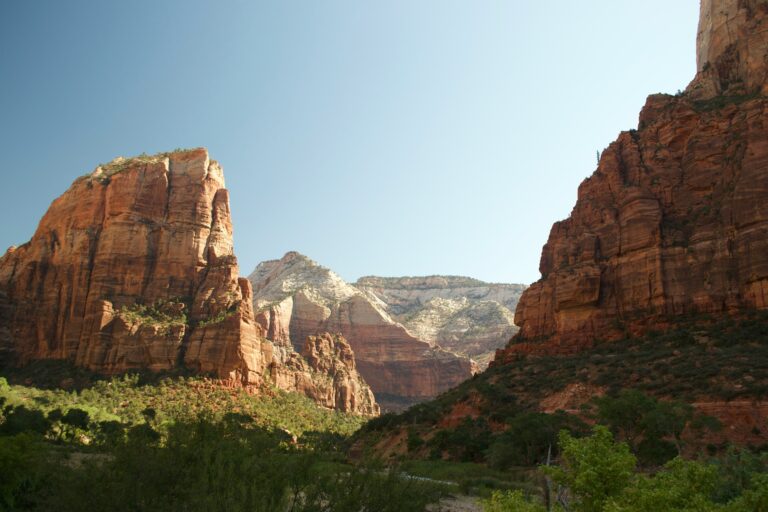
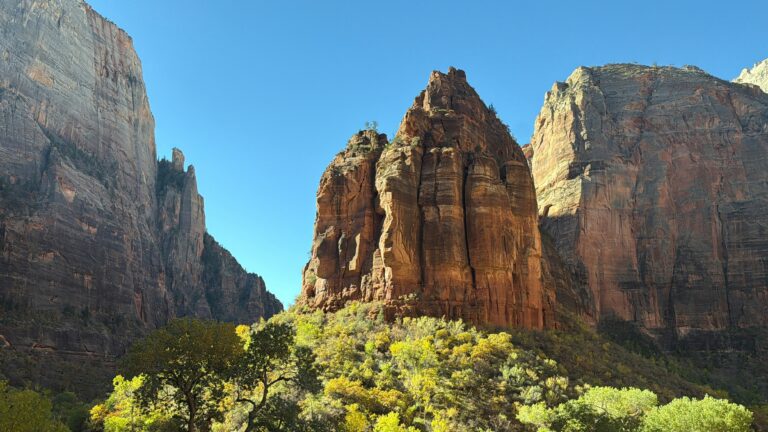
Zion is the park most people picture when they think Utah. Towering red sandstone cliffs, the Virgin River running through the canyon floor, and rugged terrain. Plus, they have a well-designed shuttle system that handles all the traffic, which significantly simplifies transportation logistics. The can’t-miss experience is the Narrows, a slot canyon hike where you hike along, but also in, the Virgin River. Kids who are comfortable in water love it. The Emerald Pools trail is a also a great choice for younger children.
Zion National Park
Park 01 Zion National Park
Utah’s most visited park — and for very good reason. Towering sandstone cliffs, the Virgin River running through the canyon floor, and a shuttle system that handles all the driving for you.
Difficulty: Easy to Moderate Best for: All ages, all fitness levels
Best trails & activities
- Riverside Walk 6 miles, paved and flat. Runs along the Virgin River to the entrance of the Narrows. Perfect for all ages and a genuinely beautiful walk.
- Lower Emerald Pools Trail 2 miles to the lower pool. Gentle ascent through hanging gardens and a small waterfall. Manageable for younger kids.
- Pa’rus Trail 5 miles, fully paved and accessible. Runs along the river from the visitor center. Great for an early morning or evening walk.
- Watchman Trail 3 miles, moderate. Best views in the park and manageable for kids 10+. Do this one first thing in the morning before the heat builds.
- The Narrows (bottom-up) The signature Zion experience — wading through a slot canyon carved by the Virgin River. Note: not recommended for children under 10, and avoid during flash flood risk. Neoprene socks and rental water shoes from Zion Outfitter ($30/person) are worth it.
JourneyWell tip: Book Zion lodging in Springdale — not inside the park. Bumbleberry Inn is consistently recommended for families. The free park shuttle runs from Springdale directly into the canyon, which means you never have to navigate driving inside the park. Arrive before 8am in peak season (May–September) or you will wait for shuttles.
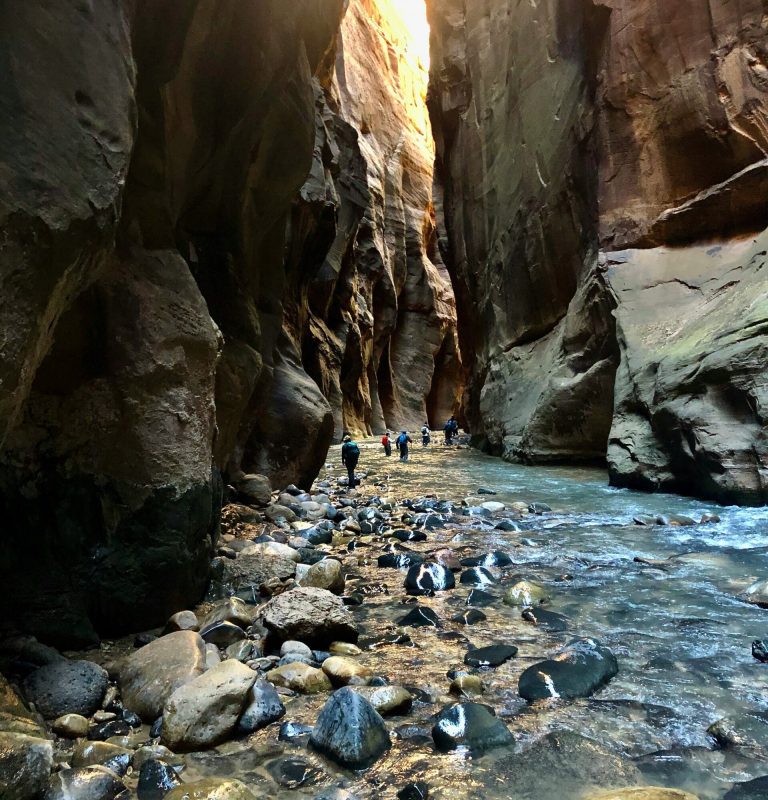
What if hiking isn't your thing?
While hiking is arguably the predominant activity in Zion National Park, there are a variety of equally fun activities to do in and around the park.
Cycle through the park on an e-bike.
The use of e-bikes has become a very popular activity in recent years. Since private vehicles are not allowed in the park from March – November, e-bikes give you a way to see the park without being confined to a crowded shuttle. Note, however, that bikes are only permitted on the Pa’rus Trail and park roadways (except for the Zion-Mt. Carmel Tunnel). A friend of mine recently returned from Zion and said that renting e-bikes was the most fun thing her family did! I’m definitely adding it to my must-do list!
There are several reputable outfitters in the area, but I suggest you check out Greater Zion E-Bike Rentals. They are located less than 2 miles from the Park entrance and offer half and full day rental options. They also offer guided bike tours if you’d like a more formal experience. Prices start at $60/half day. It should also be noted that children must be at least 12 years old to ride, accompanied by an adult.
For more information on using e-bikes within the park, visit the National Park Service website.
Go for a Scenic Drive
Kolob Canyon is a 5-mile road that twists and turns through the giant sandstone cliffs that Zion is famous for. It is tucked away in a small corner in the northwestern part of the Park, 45 minutes from Springdale.
Zion Canyon is in the heart of the Park and the Zion Canyon Scenic Drive winds through it, connecting Springdale and the Visitor Center to the Virgin River. While the road is closed to private vehicles from March to December, the park shuttle operates daily. Neither tickets nor reservations are required. Just hop on!. Along the 8-mile drive, there are 9 stops, giving parkgoers an opportunity to visit trailheads, Zion Lodge and other overlooks.
Entry
The park is open 24 hours a day throughout the year. Advanced reservations are not required. All you need to do is present your entry pass or pay the park admission fee. For more information or to purchase your pass, visit the National Park Service website.
Bryce Canyon National Park
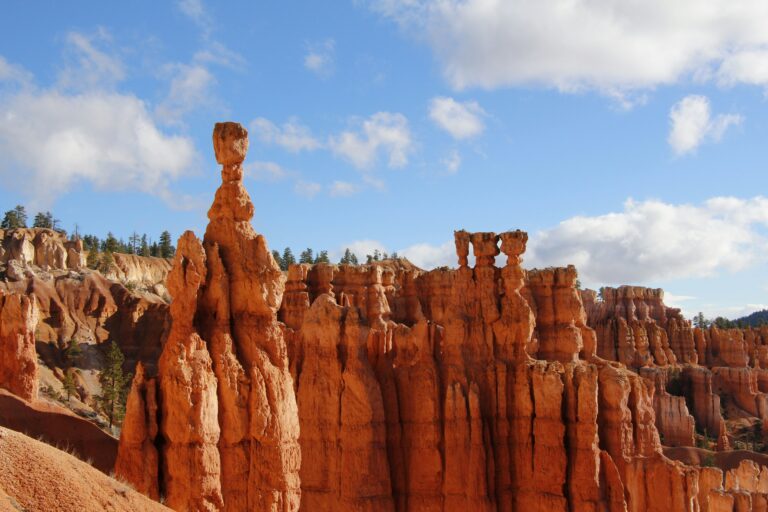
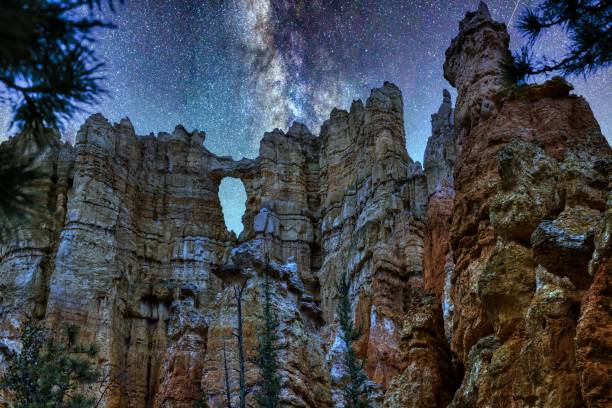
Known for its other-worldly landscape, Bryce Canyon is dotted with hoodoos, red rock towers rising from the ground. Although it is often overshadowed by its more popular neighbor, Zion, Bryce Canyon is nothing like anywhere else in the United States and definitely worth a visit.
Park 02 Bryce Canyon National Park
The hoodoo park. Thousands of orange-red spires rising from a natural amphitheater — one of the most alien and spectacular landscapes in the United States. Higher elevation than Zion (8,000+ ft), which means cooler temperatures and the possibility of snow even in shoulder seasons.
Difficulty: Easy to Moderate Best for: All ages; elevation may affect younger children
Best trails & activities
• Rim Trail Flat, paved, and runs along the top of the canyon for up to 11 miles. Walk as much or as little as you want with views the entire way.
• Queen’s Garden Trail 1.8 miles, gentle descent into the hoodoos. This is the classic Bryce hike and the one most recommended for first-timers and kids.
• Navajo Loop 1.3 miles, 550 ft elevation change. Steeper than Queen’s Garden but short and incredibly dramatic — you descend directly into the canyon walls. Combine with Queen’s Garden for the best loop in the park (2.9 miles total).
• Mossy Cave Trail 0.8 miles, very easy. Often overlooked because it is not accessible via the park shuttle — but this means far fewer crowds. Ends at a small waterfall and cave. Perfect for younger kids.
• Sunrise / Sunset Points No hiking required. Two of the best viewpoints in the park are right off the parking lot. Come for sunrise — the light on the hoodoos is extraordinary and the crowds haven’t arrived yet.
JourneyWell tip: Bring layers. Even in summer, mornings at Bryce are cold, and the temperature drops dramatically at sunset. The stargazing here is world-class — Bryce is a designated Dark Sky Park. If you can time one night for stargazing, do it. Bryce Canyon Lodge inside the park serves dinner and is worth booking for at least one meal.
What if hiking isn't your thing?
Stargazing- Enjoy the Night Sky
Thanks to its remote location and high elevation, Bryce Canyon is considered one of the best places in the country for stargazing. The park holds the Gold Tier International Dark Sky Park certification, meaning it meets the strictest standards for sky quality and light pollution control. On a clear, moonless night you can see an estimated 7,500 stars and the Milky Way stretching across the horizon.
There are several special stargazing events offered throughout the year, but you can also go on your own. The Bryce Amphitheater, the most well-known area of the park, is an excellent place for enjoying the night sky, but you’ll likely be surrounded by a hoard of people doing the same thing. If you’d like to escape the crowd, try Farview Point or the Mossy Cave Trail. If you’d like a guided experience, consider one of the astronomy experiences offered by the Ranger Program.
Entry
The park is open 24 hours a day throughout the year. Advanced reservations are not required. All you need to do is present your entry pass or pay the park admission fee. For more information or to purchase your pass, visit the National Park Service website.
Arches National Park
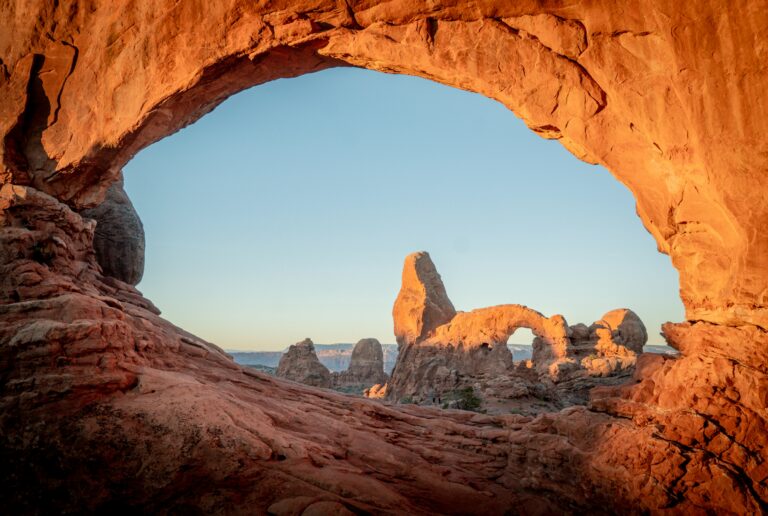
While Bryce is known for red rock spires, Arches National Park is known for it’s red rock, well…, arches!
Park 03 Arches National Park
More than 2,000 natural stone arches — the highest concentration on earth. Gateway city Moab is the most established town in the entire region, with excellent restaurants, boutique hotels, and gear rental shops..
Difficulty: Easy to Strenuous Best for: Families with kids 8+ for most hikes
Best trails & activities
• Windows Section Short, mostly paved loop through the North and South Windows arches plus Turret Arch. Extraordinary payoff for minimal effort — do this even if you do nothing else in the park.
• Balanced Rock Trail 0.3 miles, flat. One of the most photographed formations in Utah and a 10-minute walk from the parking lot. Great for younger kids.
• Sand Dune Arch 0.4 miles. The arch sits over a natural sandpit — kids can go wild here. Bring the sand toys. Genuinely one of the best family stops in all five parks.
• Delicate Arch Trail 3 miles round trip, moderate with some steep sections. The iconic image of Utah. Do it at sunrise or late afternoon — the midday heat is brutal and the light is flat. Kids 10+ should manage it.
• Park Avenue Trail 2 miles one way (shuttle back). Walks through towering sandstone fins that resemble a city skyline. Manageable for most families and dramatically beautiful.
JourneyWell tip: The park is small enough to see the highlights in one full day, but two days gives you room to be flexible with timing and avoid the worst crowds. Moab is your base — you want to be within 10 minutes of the park entrance.
What if hiking isn't your thing?
Explore the Canyon from the Water
If you’ve had your fill of hiking and are ready for a new kind of adventure, the Colorado River offers an exiting way to experience the area. Rather than climbing on the towering rock cliffs, you can float beneath them. This section of the river, offering breathtaking views of the La Sal Mountains, winds through the valley lined with monuments and then cuts through the red rock canyon before leading back to Moab. Many outfitters offer rafting tours, but the highly rated Mild to Wild offers many excursions in a variety of trip lengths and difficulty level. The most family friendly rafting trip is mostly a relaxing float with some small class I-II rapids sprinkled in. They will accommodate guests as young as 4.
Entry
The park is open 24 hours a day throughout the year. Advanced reservations are not required. All you need to do is present your entry pass or pay the park admission fee. That being said, it is advisable to get to the park early. Although there is no timed entry system, if parking lots fill, the park may temporarily restrict access until space clears. Such restrictions have been known to last 3-5 hours. Between March and October, wait times as the park entrance may exceed 60 minutes. You can check the park webcam to assess traffic before you arrive. For more information or to purchase a pass, visit the National Park Service website.
Canyonlands National Park
Due to its remote location, Canyonlands is not the first park I would recommend for families with young children or inexperienced hikers. But if you’re looking for Utah adventure away from the crowd, Canyonland National Park might be the perfect getaway.
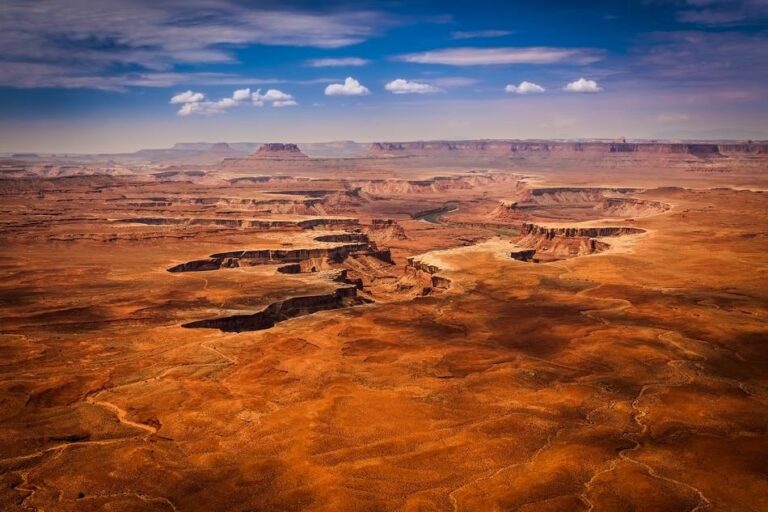
The park is made up of three distinct districts: Island in the Sky, The Needles, and The Maze, which are divided by the Green and Colorado Rivers. While they are all technically within the same park, each area has its own character and opportunities for adventure. It is also important to note that these districts are not directly connected by roads. Traveling from district to another may require a 2-6 hour car drive. It is best to choose one district to visit and save the others for a future trip.
Park 04 Canyonlands National Park
The most remote and rugged of the Mighty 5, carved by the Colorado and Green Rivers into three distinct districts. Moab serves as the gateway here too, making it easy to pair with Arches for a multi-day base.
Difficulty: Easy to Strenuous Best for: Families with kids 10+ / older kids and adults
Best trails & activities
- Mesa Arch Trail 0.5 miles, flat. A short loop to an arch that frames a sheer 1,000-foot canyon drop — one of the most dramatic viewpoints in all of Utah. Sunrise here is legendary; arrive 30–45 minutes early for a spot.
- Grand View Point Overlook 2 miles round trip, easy. Walks the rim of Island
in the Sky to a 360-degree panorama over 100 miles of canyon country. Minimal
elevation change, maximum payoff. - Upheaval Dome Overlook 1.8 miles round trip, easy to moderate. Leads to a crater-like geological mystery — scientists still debate whether it was formed by a meteor or salt dome collapse. Kids usually find the story fascinating.
- Needles District Accessible from a separate entrance 90 minutes from Moab. A completely different landscape of red-and-white banded spires. Chesler Park Loop (11 miles) is outstanding for experienced hikers. Worth a dedicated day if your group is up for it.
JourneyWell tip: The park is small enough to see the highlights in one full day, but two days gives you room to be flexible with timing and avoid the worst crowds. Moab is your base — you want to be within 10 minutes of the park entrance.
Entry
The park is open 24 hours a day throughout the year. Advanced reservations are not required. All you need to do is present your entry pass or pay the park admission fee. For more information or to purchase your pass, visit the National Park Service website.
Capitol Reef National Park
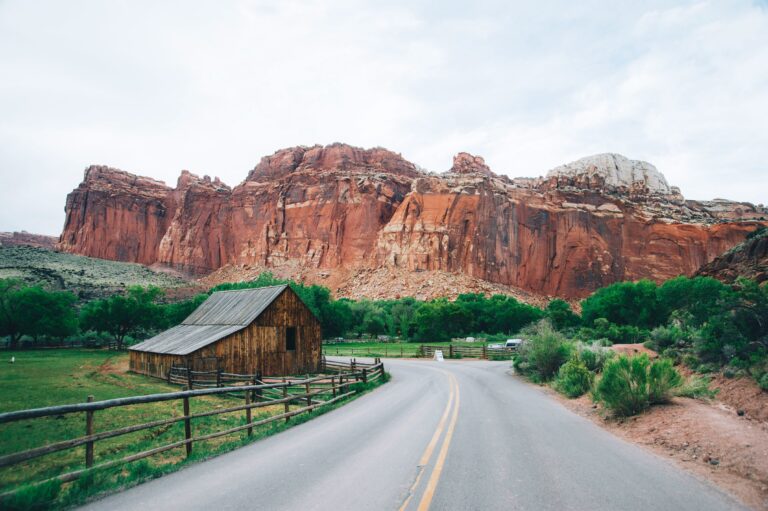
If you’re looking to escape the crowds but prefer somewhere less remote than Canyonlands, Capitol Reef will fit the bill. The most underrated of the Mighty 5, Capitol Reef has dramatically fewer crowds than Zion or Arches, equally stunning scenery, and one thing no other national park in Utah can offer: a working pioneer orchard in the middle of a red rock canyon. In season (late summer through fall), you can pick your own fruit straight from the trees. The park’s Gifford Homestead sells fresh-baked pies that have achieved near-legendary status among Utah road-trippers. Scenic Drive winds through the park and is paved and accessible — you can see the highlights without hiking a single step if you want to.
Park 05 Capitol Reef National Park
The least-visited and most overlooked of the Mighty 5 — which is exactly what makes it special. A 100-mile wrinkle in the earth’s crust called the Waterpocket Fold forms the spine of the park, and the tiny pioneer town of Torrey (population ~180) is your base. No chains, no crowds, genuinely off the beaten path.
Difficulty: Easy to Strenuous Best for: Families with kids 6+ / all ages on easier trails
Best trails & activities
- Hickman Bridge Trail 1.8 miles, round trip, moderate. The park’s most popular hike leads to a natural bridge with sweeping Fremont River valley views. Manageable for most kids and a strong introduction to the park’s geology.
- Fruita Historic District 0 miles– just walk around. Mormon pioneers planted more than 2,700 fruit trees where in the 1880s, and the orchard is still maintained by the NPS. From late June through October, you can pick and eat fruit directly from the trees for free. Peaches, apricots, cherries, apples- it is so fund an unexpected delight in the middle of the desert.
- Capitol Gorge Trail 2 miles round trip, easy. Walk through a narrow canyon past ancient Fremont petroglyphs and a pioneer register where 19th-century travelers carved their names into the canyon wall. History layered on history.
- Cassidy Arch Trail 3.4 miles round trip, strenuous with steep switchbacks. Names for Butch Cassidy, who allegedly hid in the area. Ends at a large freestanding arch with vertiginous canyon views. Strong hikers only.
- Grand Wash Trail 2.2 miles one way, Flat canyon-floor walk through towering sandstone walls that narrow dramatically at points. One of the most accessible and visually striking hikes in the park.
JourneyWell tip: Capitol Reef sits directly between Bryce Canyon and Moab on Highway 24, which makes it a natural stopover rather than a standalone destination for most itineraries — and that’s perfectly fine. A half day gets you Hickman Bridge, the Fruita orchard, and Capitol Gorge. Stay the night in Torrey at one of the small lodges and you’ll feel like you’ve found Utah’s best-kept secret. Torrey has a handful of excellent restaurants that punch well above their weight for a town this size — Café Diablo is the local favorite.
Entry
The park is open 24 hours a day throughout the year. Advanced reservations are not required. All you need to do is present your entry pass or pay the park admission fee. For more information or to purchase your pass, visit the National Park Service website.
Beyond the Might 5: The Hidden Gems
Everyone covers Zion, Bryce, and Arches. Far fewer people make it to these.
Goblin Valley State Park
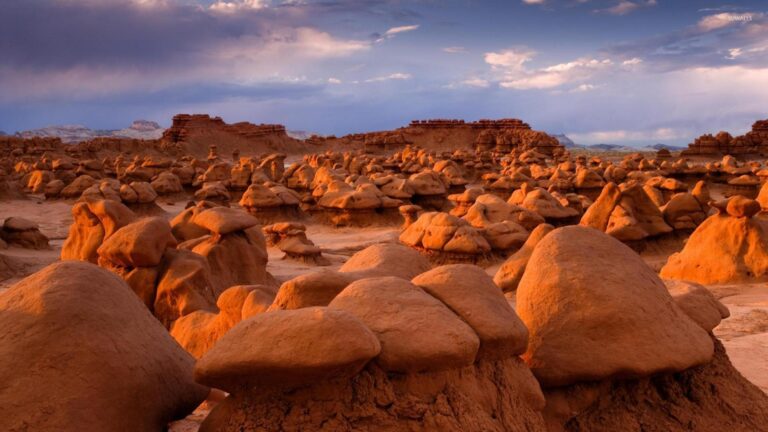
This park looks like another planet. Hundreds of mushroom-shaped hoodoos — the ‘goblins’ — spread across a valley floor and kids can roam freely without staying on a marked trail. This is one of the few places in Utah where children can just go. No barriers, no ropes— just thousands of strange orange formations to climb, hide behind, and explore. Hollywood has used it as a stand-in for Mars multiple times, which tells you something about how alien it looks. The park is small and takes 2-3 hours to fully explore, making it a perfect add-on to a Capitol Reef day. Adjacent to Goblin Valley is Little Wild Horse Canyon — a beginner-friendly slot canyon hike (3.6 miles round trip) that delivers the Antelope Canyon experience without the crowds or the tour bus fees.
Getting There: About 30 minutes off UT-24 near Hanksville. Sits between Capitol Reef and Moab — easy to add to any Mighty 5 itinerary. Entrance fee: $20/vehicle..
Dead Horse Point State Park
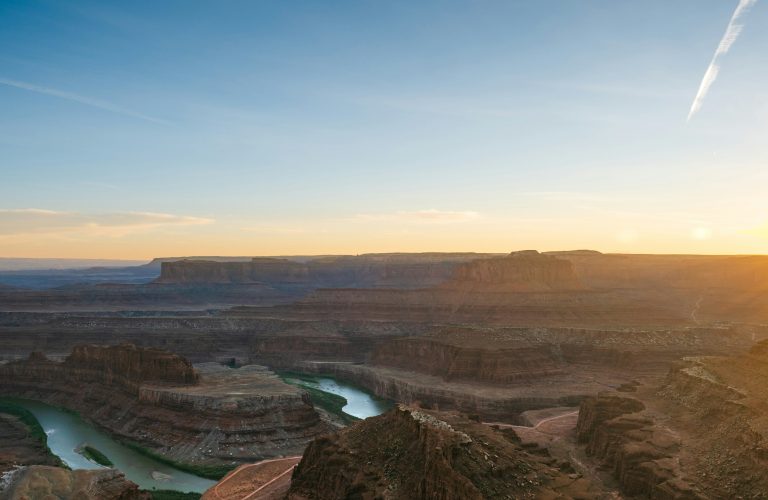
Many visitors find this view more dramatic than the Grand Canyon. Dead Horse Point sits 2,000 feet above a gooseneck in the Colorado River, with Canyonlands National Park spreading out below in every direction. It is 10 minutes from the entrance to Canyonlands’ Island in the Sky district and is consistently overlooked because Arches is right there. That is your advantage. The overlook itself is a short, flat walk from the parking lot. The West Rim Trail (up to 7 miles) offers multiple canyon viewpoints for families who want more. If you visit at dusk, the turquoise evaporation ponds of a nearby potash mine glow electric blue in the setting sun — one of the more surreal things you’ll see in a state full of surreal things.
Getting There: 30 minutes from Moab. An easy add-on to an Arches or Canyonlands day. Entrance fee: $20/vehicle (does not require a separate reservation).
Where to Eat: The Short List
Apré adventure matters. Utah has no shortage of places to refuel after a big day — here are the ones worth planning around.